Emotional well-being isn’t just about feeling good—it’s about understanding how our emotions shape our thoughts, behaviors, and overall mental health. At the core of this experience lies a fascinating connection between our brain and emotions. By exploring this relationship, we can learn how to better regulate our feelings, improve our mental resilience, and lead more balanced lives.
The Brain-Emotion Connection: Why It Matters
Every emotion we feel—whether it’s joy, anxiety, love, or frustration—originates from intricate processes within the brain. Specific brain regions and neurotransmitters work together to interpret, regulate, and respond to emotions. Understanding this connection can help us:
- Recognize emotional triggers and patterns
- Develop healthier responses to stress and anxiety
- Strengthen emotional resilience
- Foster deeper self-awareness and emotional intelligence
By learning how our brain processes emotions, we can take proactive steps to improve our emotional well-being and overall quality of life.
Key Brain Regions Involved in Emotional Well-Being
Our brain is like an emotional command center, with different areas playing distinct roles in how we experience and regulate emotions. Here’s a closer look at the key players:
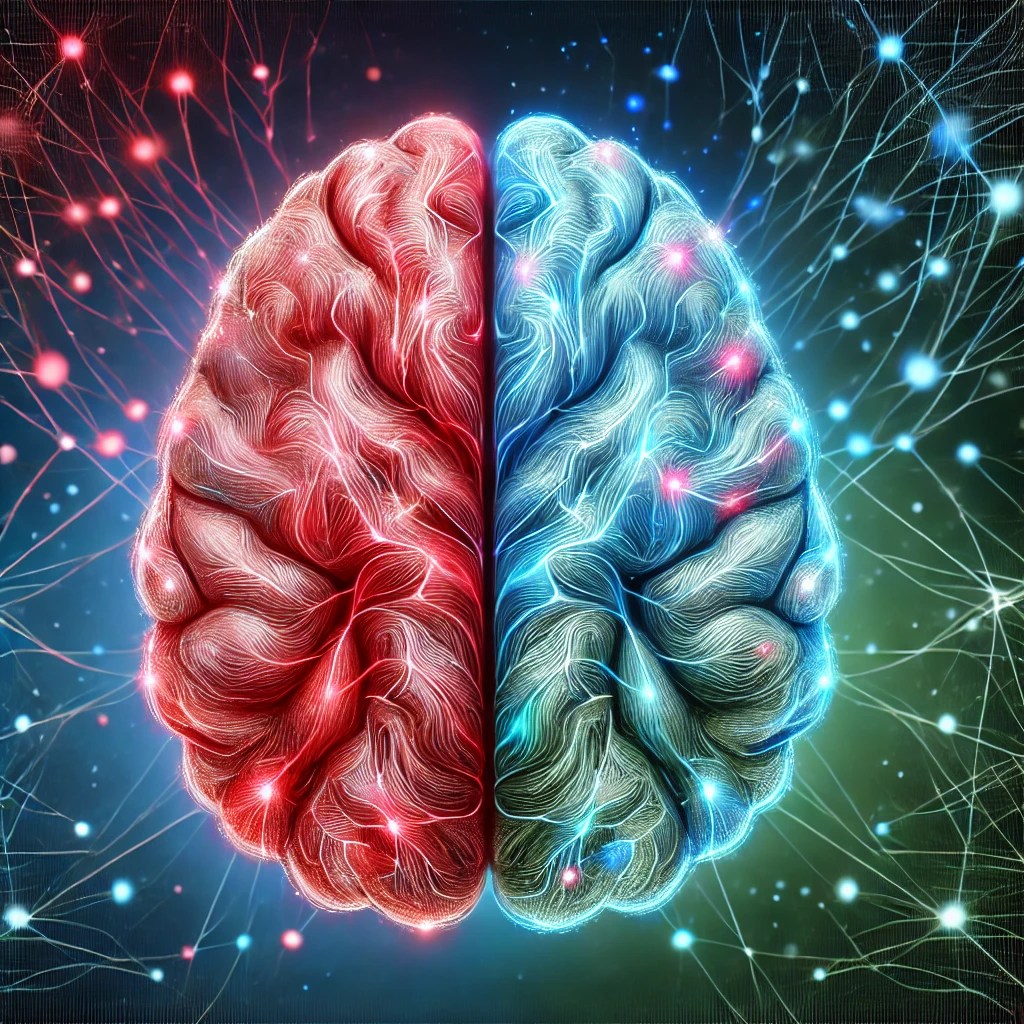
1. The Amygdala: The Emotion Processor
The amygdala is often referred to as the brain’s emotional alarm system. It’s responsible for processing emotions, particularly those related to fear and survival. When we encounter a stressful or threatening situation, the amygdala reacts instantly, triggering the body’s fight-or-flight response.
How It Affects Emotional Well-Being:
- An overactive amygdala can contribute to heightened anxiety, stress, and emotional reactivity.
- Mindfulness practices and cognitive behavioral techniques can help regulate amygdala activity, promoting emotional balance.
2. The Prefrontal Cortex: The Rational Thinker
Located at the front of the brain, the prefrontal cortex plays a crucial role in emotional regulation, decision-making, and impulse control. This region helps us process emotions logically and respond to situations with thoughtfulness rather than impulsivity.
How It Affects Emotional Well-Being:
- A well-developed prefrontal cortex enhances emotional resilience, allowing us to stay calm in stressful situations.
- Activities like meditation, journaling, and problem-solving exercises can strengthen the prefrontal cortex, improving emotional regulation.
3. The Hippocampus: The Memory Keeper
The hippocampus is essential for processing memories, including those tied to emotions. It helps us contextualize past experiences and influences how we react to similar situations in the future.
How It Affects Emotional Well-Being:
- Unresolved emotional trauma can impact hippocampal function, making it harder to process and regulate emotions.
- Therapy, self-reflection, and healthy coping mechanisms can help reframe past experiences and reduce emotional distress.
4. The Hypothalamus: The Stress Regulator
This small but powerful brain structure plays a role in controlling our body’s stress response by regulating hormones like cortisol. When stress levels rise, the hypothalamus signals the body to release stress hormones, preparing us to respond to challenges.
How It Affects Emotional Well-Being:
- Chronic stress can overwork the hypothalamus, leading to emotional exhaustion and burnout.
- Stress management techniques, such as deep breathing, exercise, and relaxation, help balance hormonal responses and promote well-being.
The Role of Neurotransmitters in Emotions
Neurotransmitters are chemical messengers that influence our mood, energy levels, and overall emotional state. Here are some key neurotransmitters that impact emotional well-being:
- Serotonin: Often called the “happiness chemical,” serotonin helps regulate mood, sleep, and emotional stability. Low levels are linked to depression and anxiety. Activities like spending time in nature, exercising, and practicing gratitude can boost serotonin.
- Dopamine: Known as the “reward chemical,” dopamine plays a role in motivation and pleasure. Small wins, setting goals, and engaging in hobbies can increase dopamine levels.
- Oxytocin: Often referred to as the “love hormone,” oxytocin fosters connection and trust. Positive social interactions and acts of kindness boost oxytocin.
- Cortisol: The “stress hormone,” cortisol is released in response to challenges. While short-term spikes are normal, chronic stress can lead to excessive cortisol levels, contributing to anxiety and emotional fatigue.
Strengthening Your Brain-Emotion Connection for Better Well-Being
Understanding how the brain processes emotions is just the first step. The next step is using this knowledge to enhance emotional resilience and overall well-being. Here’s how:
1. Practice Mindful Awareness
Mindfulness helps regulate the amygdala and strengthens the prefrontal cortex, leading to better emotional control. Simple practices like deep breathing, body scans, or mindful journaling can help you become more aware of your emotions and responses.
2. Engage in Reflective Journaling
Writing down your thoughts and emotions allows the hippocampus to process and make sense of experiences. Try prompts like:
- “What emotions have I felt most strongly today, and why?”
- “How did my brain react to a stressful situation? What could I do differently next time?”
3. Build Emotional Resilience Through Cognitive Reframing
Reframing helps engage the prefrontal cortex to change negative thought patterns. The next time you face a challenge, ask yourself:
- “What’s another way to look at this situation?”
- “What lesson can I take away from this experience?”
4. Nurture Social Connections
Engaging in meaningful conversations and spending time with loved ones increases oxytocin levels, promoting emotional well-being.
5. Prioritize Rest and Recovery
Good sleep supports hippocampal function and emotional processing. Aim for 7–9 hours of quality sleep each night to allow your brain to recharge.
6. Balance Your Stress Response
Since the hypothalamus regulates stress, it’s essential to incorporate relaxation techniques into your daily routine. Yoga, meditation, or even short nature walks can help reduce cortisol levels and restore balance.
Final Thoughts
Our emotions don’t just exist in a vacuum—they are deeply tied to the way our brain functions. By understanding the connection between our brain and emotions, we can take conscious steps to enhance our emotional well-being, build resilience, and navigate life’s challenges with greater ease.
By integrating mindful practices, strengthening emotional regulation, and nurturing brain health, we empower ourselves to lead more fulfilling and balanced lives.
What’s one step you can take today to strengthen your brain-emotion connection? Let’s continue this conversation in the comments!

 Serenity Soul Notes
This space is for you too — drop your thoughts below!