Self-awareness is the cornerstone of personal growth. It’s the foundation upon which you build your emotional intelligence, develop your strengths, and navigate the complexities of life with clarity and purpose. But how do you cultivate self-awareness in a world that’s constantly pulling your attention in different directions?
In this blog post, we’ll explore what self-awareness is, why it’s important, and how you can develop it as part of your daily life. By the end of this article, you’ll have practical tools and strategies to help you embark on your self-awareness journey.
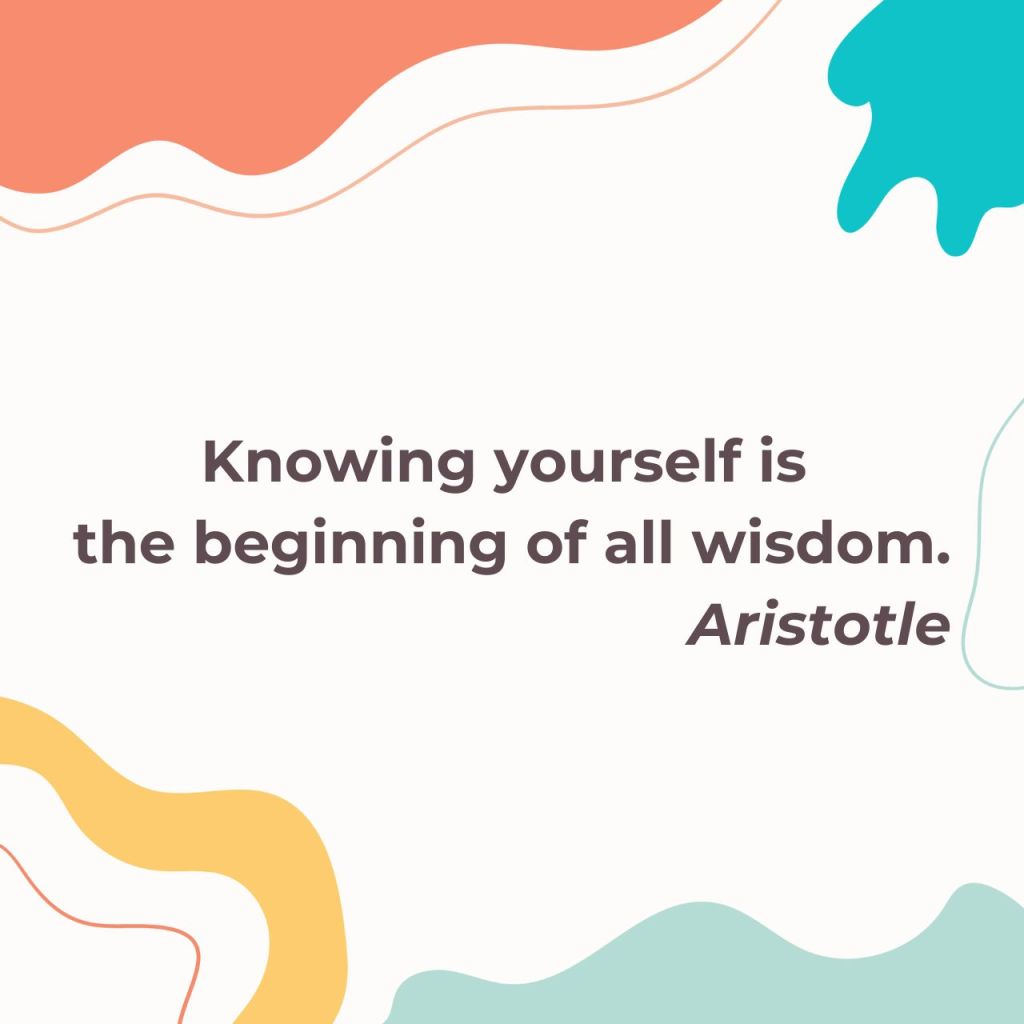
Understanding Self-Awareness
At its core, self-awareness is the ability to see yourself clearly and objectively. It involves recognizing your emotions, thoughts, and behaviors, and understanding how they align with your values and goals. Self-awareness allows you to see yourself as you are, not as you wish to be or as others perceive you.
There are two main components to self-awareness:
- Internal Self-Awareness: This is your ability to introspect and understand your emotions, thoughts, and motivations. It’s about being in tune with what’s happening inside you and how it influences your actions and decisions.
- External Self-Awareness: This is how you understand how others perceive you. It involves being aware of your impact on others and how your behavior affects your relationships and environment.
Cultivating both types of self-awareness is essential for personal growth. When you have a strong sense of internal self-awareness, you can make decisions that align with your true self. External self-awareness helps you navigate social situations more effectively and build stronger, more authentic relationships.
The Importance of Self-Awareness
Self-awareness is more than just a buzzword; it’s a vital skill that can enhance every aspect of your life. Here’s why self-awareness is so important:
- Improved Emotional Intelligence: Self-awareness is the first step toward emotional intelligence. When you understand your emotions, you can manage them better, leading to healthier relationships and more effective communication.
- Better Decision-Making: When you’re aware of your values, goals, and biases, you can make decisions that are in line with who you are and what you want to achieve.
- Enhanced Relationships: Understanding yourself helps you understand others. When you’re aware of your impact on others, you can navigate conflicts more effectively and build stronger connections.
- Personal Growth: Self-awareness is the foundation of personal growth. It helps you identify areas where you want to improve, set goals, and track your progress.
- Increased Resilience: When you know yourself well, you’re better equipped to handle life’s challenges. Self-awareness helps you stay grounded and centered, even in the face of adversity.

How to Cultivate Self-Awareness in Your Daily Life
Developing self-awareness is a journey, not a destination. It’s a lifelong process that requires intention, practice, and reflection. Here are some practical steps you can take to cultivate self-awareness in your daily life:
1. Start with Mindfulness
Mindfulness is the practice of being present and fully engaged in the moment. It’s about observing your thoughts, feelings, and sensations without judgment. Mindfulness helps you tune into your inner world, making it a powerful tool for cultivating self-awareness.
- Practice Mindful Breathing: Take a few moments each day to focus on your breath. Notice how it feels as you inhale and exhale. If your mind starts to wander, gently bring your attention back to your breath. This simple practice can help you become more aware of your thoughts and emotions as they arise.
- Engage in Mindful Activities: You can bring mindfulness to any activity, whether it’s eating, walking, or even washing the dishes. Focus on the sensations, sights, and sounds of the moment. This helps you stay grounded and aware of your present experience.
- Meditation: Regular meditation practice can deepen your self-awareness. By sitting in stillness and observing your thoughts, you can gain insights into your mind’s patterns and tendencies.
2. Keep a Journal
Journaling is a powerful tool for self-reflection. It allows you to explore your thoughts and feelings in a safe, non-judgmental space. Writing things down can help you make sense of your experiences and identify patterns in your behavior.
- Daily Reflection: Set aside a few minutes each day to reflect on your experiences. Write about what happened, how you felt, and why you think you reacted the way you did. This practice can help you gain clarity and perspective.
- Explore Your Emotions: Use your journal to explore your emotions in depth. Ask yourself questions like, “Why did I feel this way?” or “What triggered this emotion?” This can help you understand the underlying causes of your feelings.
- Set Intentions: Journaling can also be a tool for setting intentions. Write down your goals and how you plan to achieve them. Reflect on your progress regularly to stay aligned with your values and aspirations.
3. Seek Feedback from Others
While internal self-awareness is crucial, it’s equally important to understand how others perceive you. Seeking feedback from trusted friends, family, or colleagues can provide valuable insights into your behavior and impact on others.
- Ask for Honest Feedback: Encourage others to be honest with you about how they perceive your strengths and areas for improvement. Approach this with an open mind and a willingness to learn.
- Reflect on Feedback: When you receive feedback, take time to reflect on it. Consider how it aligns with your self-perception and what it reveals about your behavior.
- Act on Feedback: Use the feedback you receive to make positive changes. This might involve adjusting your communication style, being more mindful of others’ needs, or working on specific areas of personal growth.
4. Identify Your Core Values
Your core values are the principles that guide your decisions and behavior. Understanding your values is a key aspect of self-awareness, as it helps you make choices that align with who you are.
- Reflect on What Matters Most: Take time to consider what’s truly important to you. What values do you hold dear? How do they influence your decisions?
- Create a Values List: Write down a list of your core values. These might include things like honesty, compassion, creativity, or growth. Reflect on how these values show up in your life.
- Live by Your Values: Make a conscious effort to live in alignment with your values. When faced with a decision, ask yourself, “Does this align with my values?” This can help you stay true to yourself and live with integrity.
5. Embrace Self-Compassion
Cultivating self-awareness requires honesty, but it also requires kindness. It’s important to approach your journey with self-compassion, understanding that personal growth is a process and that it’s okay to make mistakes along the way.
- Practice Self-Kindness: When you notice a mistake or a flaw, treat yourself with the same kindness you would offer a friend. Instead of being self-critical, acknowledge your humanity and focus on what you can learn from the experience.
- Challenge Negative Self-Talk: Pay attention to your inner dialogue. If you notice negative self-talk, challenge it by asking yourself if it’s true or helpful. Replace harsh criticism with supportive and encouraging thoughts.
- Embrace Imperfection: Remember that you don’t have to be perfect to be worthy of love and respect. Embrace your imperfections as part of your unique journey.
6. Set Personal Development Goals
Self-awareness is an ongoing process, and setting personal development goals can help you stay on track. These goals should be aligned with your values and focused on areas where you want to grow.
- Identify Areas for Growth: Reflect on the areas of your life where you’d like to improve. This could be anything from managing stress better to becoming more patient or improving your communication skills.
- Set SMART Goals: Make your goals Specific, Measurable, Achievable, Relevant, and Time-bound. For example, instead of setting a vague goal like “be more mindful,” you might set a specific goal like “practice mindfulness meditation for 10 minutes every morning.”
- Track Your Progress: Regularly review your goals and track your progress. Celebrate your successes and learn from any setbacks. This will help you stay motivated and focused on your personal growth journey.
7. Reflect Regularly
Reflection is a key component of self-awareness. By taking time to reflect on your experiences, you can gain insights into your thoughts, emotions, and behaviors.
- Daily Reflection Practice: At the end of each day, take a few moments to reflect on your experiences. What went well? What challenges did you face? How did you respond, and what can you learn from it?
- Weekly or Monthly Review: In addition to daily reflections, consider setting aside time for a more in-depth review each week or month. Reflect on your overall progress, how you’ve grown, and what areas still need attention.
- Use Prompts: If you’re not sure where to start, use reflection prompts to guide your thoughts. Questions like “What am I grateful for today?” or “What did I learn about myself this week?” can help you dive deeper.
8. Practice Active Listening
Active listening is the practice of fully engaging with someone when they’re speaking, with the intention of understanding their perspective. It’s a skill that can enhance both your external self-awareness and your relationships.
- Focus on the Speaker: When someone is talking, give them your full attention. Put away distractions and make eye contact. This shows that you value what they have to say.
- Reflect and Respond: After the speaker has finished talking, take a moment to reflect on what they said before responding. Summarize or paraphrase their points to ensure you understood correctly, and then share your thoughts or ask follow-up questions. This not only shows respect for the speaker but also deepens your understanding of the conversation, contributing to your external self-awareness.
- Avoid Interrupting: Let the speaker finish their thoughts before you interject. Interrupting can hinder your ability to fully grasp what the other person is communicating and may disrupt the flow of the conversation. By practicing patience, you allow yourself to truly understand the speaker’s message.
- Observe Non-Verbal Cues: Pay attention to body language, tone of voice, and facial expressions. These non-verbal cues often convey as much, if not more, than the words themselves. Being attuned to these signals can help you better understand others and how your presence affects them.
9. Embrace Solitude
Solitude provides a unique opportunity to connect with yourself on a deeper level. In a world that’s constantly demanding your attention, taking time to be alone with your thoughts can be incredibly powerful for developing self-awareness.
- Schedule Alone Time: Make it a habit to spend some time alone each day, even if it’s just for a few minutes. Use this time to reflect, meditate, or simply sit in silence. Solitude allows you to tune out external noise and focus on your inner world.
- Engage in Solo Activities: Participate in activities that you enjoy doing alone, whether it’s reading, painting, hiking, or writing. These activities can help you connect with your inner self and gain insights into your thoughts and feelings.
- Practice Mindful Walking: Going for a walk by yourself can be a great way to clear your mind and gain perspective. As you walk, focus on your surroundings, your breath, and how your body feels. This practice can help you reconnect with yourself and your environment.
- Use Solitude for Reflection: Solitude is an excellent time for deep reflection. Consider journaling or meditating during your alone time to process your experiences and emotions. This can lead to greater clarity and understanding of yourself.
10. Be Open to Change
Self-awareness is not a static state; it’s an evolving process. As you grow and change, your self-awareness will deepen, revealing new insights and opportunities for growth. Being open to change is crucial for continuing your self-awareness journey.
- Embrace New Experiences: Step out of your comfort zone and try new things. New experiences can challenge your assumptions and reveal aspects of yourself that you weren’t previously aware of.
- Reevaluate Your Beliefs: As you learn and grow, it’s important to regularly reevaluate your beliefs and assumptions. Be willing to question and, if necessary, change them as you gain new insights.
- Accept Yourself As You Are: While it’s important to strive for growth, it’s equally important to accept yourself as you are in the present moment. Self-awareness is about understanding and embracing all aspects of yourself, even those that you’re working to change.
- Practice Gratitude for Your Growth: Take time to acknowledge and appreciate how far you’ve come in your self-awareness journey. Celebrating your progress, no matter how small, reinforces your commitment to personal growth and self-discovery.

Conclusion: Your Journey to Self-Awareness
Cultivating self-awareness is a lifelong journey that requires intention, practice, and patience. It’s about understanding yourself on a deeper level, recognizing your emotions, thoughts, and behaviors, and making choices that align with your true self. By integrating mindfulness, journaling, feedback, value exploration, self-compassion, goal-setting, reflection, active listening, solitude, and openness to change into your daily life, you can enhance your self-awareness and, in turn, improve every aspect of your life.
Remember, self-awareness is not about perfection—it’s about growth. It’s about being honest with yourself, embracing who you are, and committing to continuous improvement. As you embark on this journey, be kind to yourself, celebrate your progress, and stay curious about the person you are becoming.
You have the tools and the power to cultivate self-awareness and create a life that’s aligned with your deepest values and aspirations. Start today, and let your journey to self-awareness guide you toward a more mindful, fulfilling, and authentic life.

 Serenity Soul Notes
This space is for you too — drop your thoughts below!