In a world filled with challenges and uncertainties, emotional resilience has become more important than ever. It’s the ability to adapt, bounce back, and thrive in the face of adversity. Building emotional resilience isn’t about avoiding hardships; it’s about developing the tools and mindset to navigate them effectively. This blog will explore practical strategies to cultivate emotional resilience and how these techniques can help you lead a more balanced, fulfilling life.
What is Emotional Resilience?
Emotional resilience is the inner strength that allows you to manage stress, cope with setbacks, and maintain a sense of balance. Think of it as a skill you can develop over time, rather than an innate quality. Resilient individuals are not immune to difficulties, but they respond to them with greater calm, clarity, and confidence.
Why Does Emotional Resilience Matter?
Without emotional resilience, life’s challenges can feel overwhelming, leading to stress, anxiety, or even burnout. By strengthening this skill, you can improve your mental health, build stronger relationships, and maintain focus and productivity, even in difficult times.
Tools and Techniques for Emotional Resilience
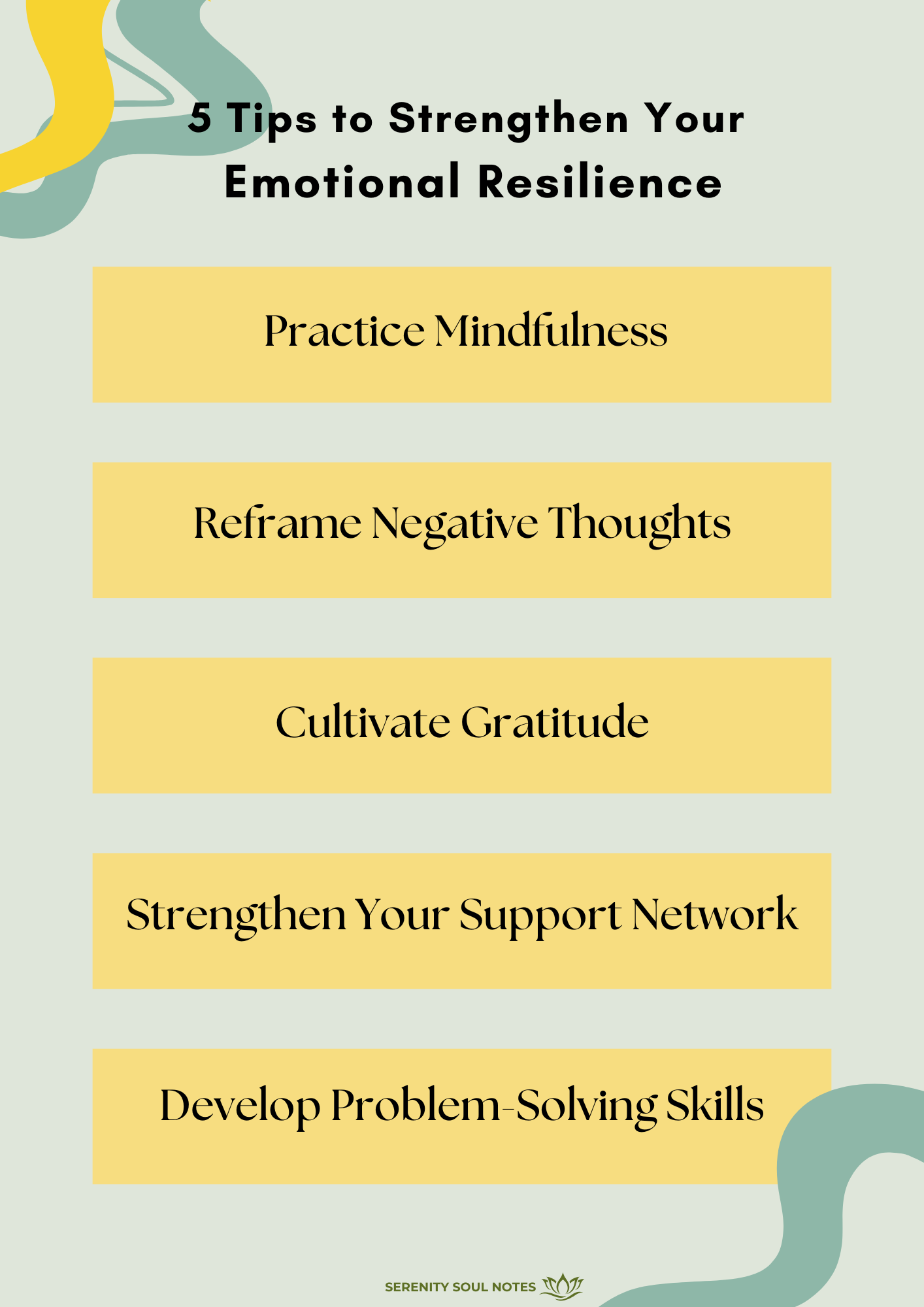
- Practice Mindfulness
Mindfulness is a powerful tool for building emotional resilience. By staying present and observing your thoughts without judgment, you can better manage emotional reactions. Try simple practices like deep breathing, meditation, or mindful walking to ground yourself during stressful moments. - Reframe Negative Thoughts
Resilient individuals are skilled at reframing challenges. Instead of seeing setbacks as failures, view them as opportunities to learn and grow. This shift in perspective helps reduce the emotional weight of difficult situations. - Strengthen Your Support Network
A strong support network can make all the difference during tough times. Surround yourself with people who uplift and encourage you, and don’t hesitate to reach out for help when needed. Remember, resilience doesn’t mean handling everything alone. - Cultivate Gratitude
Gratitude can help you shift your focus from problems to blessings. Keeping a gratitude journal or simply reflecting on three things you’re thankful for each day can boost your emotional resilience by fostering a more positive outlook. - Develop Problem-Solving Skills
Resilience often involves finding practical solutions to challenges. When faced with a problem, break it down into smaller, manageable steps. This approach not only reduces stress but also builds confidence in your ability to overcome obstacles.
Daily Habits to Build Emotional Resilience
- Self-Care: Prioritize physical and emotional well-being with regular exercise, nutritious meals, and quality sleep.
- Emotional Check-Ins: Take a moment each day to identify and acknowledge your emotions. This practice helps you better understand your feelings and respond to them effectively.
- Learn from Setbacks: Reflect on past challenges and identify what you’ve learned from them. Recognizing your growth can strengthen your belief in your ability to handle future difficulties.
A Journey Worth Taking
Developing emotional resilience is not about avoiding challenges but learning to navigate them with strength and grace. It’s about accepting that setbacks are a natural part of life and equipping yourself with the tools to recover and grow from them.
By practicing mindfulness, cultivating a positive mindset, seeking support, and prioritizing self-care, you build a foundation that allows you to weather life’s storms and find joy in its calm moments. Each step you take toward strengthening your emotional resilience is a step toward a more balanced, fulfilling, and meaningful life.
Remember, resilience isn’t a trait you either have or don’t have—it’s a skill that can be developed and nurtured. Be patient and compassionate with yourself as you grow, and trust that the effort you put into your emotional well-being is one of the best investments you can make.

 Serenity Soul Notes
This space is for you too — drop your thoughts below!